
Modern interior design is more than just a buzzword in home styling—it’s a lifestyle approach that emphasizes clarity, comfort, and practicality. At its core, modern design is about creating harmonious spaces that are sleek, functional, and free of unnecessary clutter. Imagine walking into a room where every piece has a purpose, the layout encourages relaxation, and the aesthetics reflect simplicity. That’s modern interior design.
What makes this style stand out is its focus on form following function. Furniture, layout, and decorative choices are all about enhancing usability while maintaining a sharp visual appeal. You’ll often see neutral color palettes, open spaces, minimal décor, and materials like glass, metal, and natural wood. The emphasis is on less being more—each piece should add value to the room.
And modern doesn’t mean cold or lifeless. On the contrary, when done right, it feels warm, inviting, and timeless. Instead of stuffing a room with items, modern design encourages thoughtful curation. It’s perfect for anyone who wants their space to feel calm, organized, and effortless.
Core Principles of Modern Interior Design

Simplicity and Functionality
When it comes to modern interior design, simplicity is everything—but that doesn’t mean boring. Instead, it means intentional. Every item, every line, and every piece of furniture is chosen with purpose. The design philosophy is clear: eliminate the unnecessary and focus on what truly adds value to a space.
Functionality goes hand-in-hand with simplicity. In a modern home, a piece of furniture often does double duty. Think of ottomans with hidden storage, modular sofas, or floating shelves that serve both as décor and storage. It’s not just about how a room looks—it’s about how it works for you.
Modern interiors avoid fussiness. You won’t find ruffles, ornate carvings, or heavy curtains. Instead, you’ll see clean surfaces, unbroken lines, and open layouts. The result is a space that feels fresh and airy, allowing you to breathe easier and think clearer. It’s why modern homes are often described as calming and peaceful.
This principle also extends to materials and finishes. Modern design favors smooth, natural finishes—matte over glossy, natural wood over synthetic laminates. It leans into the beauty of imperfection, often showcasing raw materials like exposed concrete or brushed steel to create an honest, grounded atmosphere.

Clean Lines and Minimalism
Minimalism is more than just a trend—it’s a cornerstone of modern interior design. And no, minimalism isn’t about having empty rooms and no personality. It’s about stripping away the fluff and focusing on essentials that bring comfort, style, and purpose.
Clean lines dominate the modern aesthetic. Think straight-edged furniture, geometric shapes, and uncluttered surfaces. Unlike traditional styles that embrace curves, frills, and heavy ornamentation, modern interiors embrace symmetry and precision. The result? A sleek and visually balanced space.
Minimalism also affects how you approach décor. Instead of covering every wall and tabletop with knick-knacks, modern design encourages restraint. A single bold piece of art, a sleek lamp, or a sculptural vase can make a statement without overwhelming the room.
This less-is-more approach creates a sense of spaciousness. It’s not about having less stuff—it’s about having the right stuff. When your space isn’t drowning in excess, it becomes more enjoyable to live in. You move freely, focus better, and feel less stress.
And if you’re wondering whether minimalism sacrifices comfort, think again. Modern minimalism often incorporates plush textures, warm lighting, and cozy textiles to ensure that style doesn’t come at the cost of comfort.
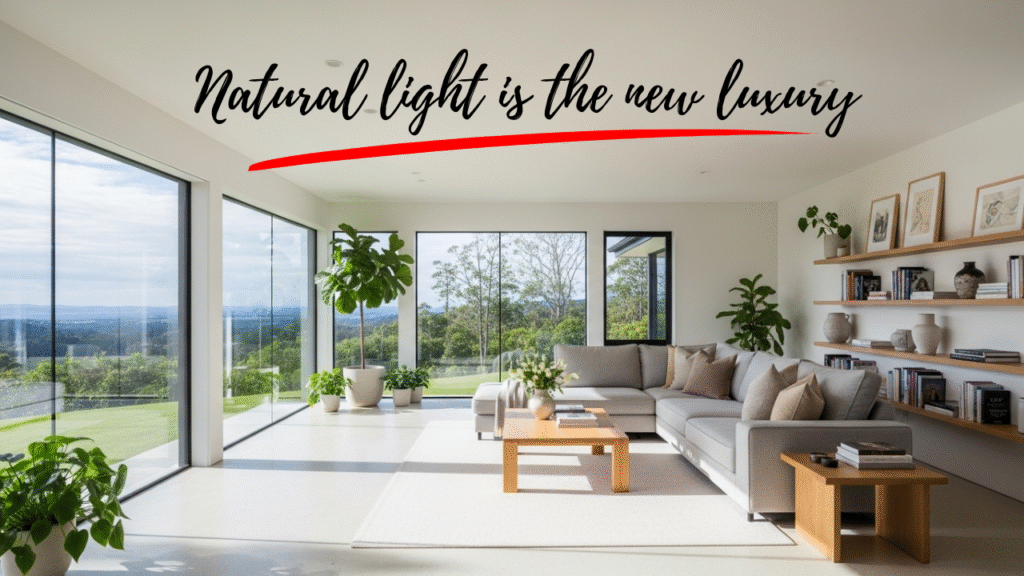
Open Spaces and Natural Light
Modern interior design loves open spaces. Gone are the days of tiny, walled-off rooms—today’s modern homes embrace openness and flow. By tearing down unnecessary walls and combining living areas, modern design creates a seamless connection between spaces, making your home feel larger and more connected.
This openness also supports natural light, another vital aspect of modern design. Large windows, skylights, and glass doors are used to invite as much daylight as possible. Why? Because natural light not only enhances the beauty of your interiors, but it also boosts mood, reduces the need for artificial lighting, and makes colors pop.
Light and space work together to create the airy, breathable feel that defines modern interiors. Even if you live in a smaller home or apartment, embracing this design principle can make your space feel significantly more expansive.
Want to enhance the open-space effect? Use mirrors to reflect light, keep window treatments minimal, and choose lighter color palettes that reflect rather than absorb light. Also, consider an open-plan layout where your kitchen, dining, and living areas blend together without visual barriers.
Looking to modernize your sleeping space? Check out our latest blog on Bedroom Interior Design Ideas by Renew Interiors for inspiration that combines style, comfort, and smart design. Color Schemes in Modern Interiors

Neutral Palettes
Neutral colors are the foundation of modern interior design. They create a clean, calm, and timeless backdrop that allows other design elements—like furniture, lighting, and décor—to shine. Think whites, beiges, grays, and taupes. These shades don’t scream for attention but instead quietly support a soothing, cohesive aesthetic.
One of the biggest strengths of a neutral palette is versatility. It works in almost any room, from a serene bedroom to a sleek kitchen. Neutrals also make it easier to switch up your décor without having to repaint or completely redesign. Add a few colorful throw pillows, a vibrant rug, or bold artwork, and suddenly your space has a whole new vibe.
But don’t confuse neutral with boring. There’s an art to layering neutrals to create depth and interest. Use a variety of textures—like a linen sofa, wool rug, and wooden coffee table—to keep things visually stimulating. You can also play with undertones. A warm beige wall combined with cool gray furniture can strike the perfect balance between cozy and modern.
Lighting plays a key role too. Neutrals look different depending on the time of day and lighting conditions, which adds to their dynamic appeal. During the day, they reflect natural light beautifully. At night, warm bulbs can make a neutral room feel extra inviting.
If you’re ever unsure about how to begin a modern redesign, start with a neutral color scheme. It’s a foolproof way to achieve a clean, modern look that never goes out of style.

Accent Colors and Bold Contrasts
While neutral palettes are the go-to in modern design, accent colors are what bring personality and life into the space. The trick is to use them sparingly and strategically. Too much color can overwhelm, but just the right amount can energize and elevate.
Popular modern accent colors include navy blue, emerald green, burnt orange, and mustard yellow. These tones create contrast and drama, especially when paired with a neutral backdrop. For example, a gray living room with deep blue accent chairs and gold light fixtures can look incredibly polished and contemporary.
Accent walls are another great way to introduce color. Paint one wall a bold shade while keeping the others neutral. Or try a striking wallpaper with geometric or abstract patterns to create a modern feature wall.
Accessories also offer a low-commitment way to play with color. Throw pillows, rugs, curtains, or artwork can add visual interest without a major overhaul. And the beauty of modern design is that it supports flexibility. You can easily swap out accent pieces to suit the seasons or your mood.
Contrast isn’t just about color—it’s also about mixing materials and textures. Pairing smooth leather with a soft wool throw, or shiny metal with matte ceramics, creates visual tension that keeps things exciting.
Remember, in modern interior design, accent colors should enhance—not dominate—the space. They’re the final brushstrokes that complete the masterpiece without overwhelming the canvas.
Materials Commonly Used in Modern Design
Wood, Metal, and Glass
Modern interiors celebrate materials in their raw, unadulterated forms. Wood, metal, and glass are staples in this design style, each bringing a unique quality that contributes to the overall look and feel of the space.
Wood introduces warmth and texture. Whether it’s light-toned oak flooring or a dark walnut coffee table, wood adds a natural element that softens the modern aesthetic. It’s especially powerful when paired with more industrial materials like steel or concrete, striking a perfect balance between warm and cool.
Metal, on the other hand, adds a sleek, industrial edge. Stainless steel appliances, black iron fixtures, and chrome accents are commonly found in modern kitchens, bathrooms, and light fixtures. Metals provide a reflective quality that enhances light and brings a contemporary touch.
Glass is all about openness and clarity. It’s often used in windows, doors, tabletops, and even staircases. The transparency of glass helps maintain the open, airy feel modern design is known for. It also reflects light and makes rooms feel larger than they are.
Combining these three materials creates contrast and harmony. Picture a glass coffee table sitting on a wooden floor with black metal legs—it’s visually striking, yet balanced. This layered use of materials is what makes modern interiors both simple and sophisticated.
The key is moderation. Don’t overload your space with any one material. Instead, mix and match to create a cohesive and well-balanced modern environment.
Sustainable and Eco-Friendly Materials
Sustainability has become a major consideration in modern interior design—and for good reason. Today’s homeowners aren’t just looking for beauty and function; they want materials that are environmentally responsible and ethically sourced.
Bamboo, cork, and reclaimed wood are popular sustainable materials that align perfectly with modern aesthetics. Bamboo, for instance, grows quickly and has a sleek, minimal grain that works beautifully in flooring and furniture. Reclaimed wood adds character and history to your space while reducing the demand for new timber.
Recycled metal and glass are also gaining popularity. Not only do they reduce waste, but they also lend a modern, industrial vibe that’s very on-trend. Plus, these materials are incredibly durable, making them ideal for long-term use.
Eco-friendly textiles are another great option. Think organic cotton, linen, hemp, and wool. These materials are not only better for the planet, but they also feel amazing—soft, breathable, and luxurious.
In modern design, sustainability doesn’t mean sacrificing style. On the contrary, it enhances it. A beautifully designed home that respects the environment is the ultimate expression of thoughtful, modern living.
Want to take it a step further? Look for certifications like FSC (Forest Stewardship Council) for wood or OEKO-TEX for fabrics to ensure you’re making responsible choices. Sustainability isn’t just a trend—it’s the future of modern interior design.
Technology Integration in Modern Homes
Smart Home Features
Modern design embraces technology not just as a convenience, but as an integral part of home living. Smart home features have become synonymous with modern interiors, making daily routines smoother and your living environment more efficient.
Voice-controlled assistants like Alexa or Google Home can control everything from lights and thermostats to music and window shades. These systems integrate seamlessly into the home, often with minimal hardware visible, preserving the clean modern aesthetic.
Smart lighting is a game-changer. You can automate when lights turn on or off, adjust brightness and color temperature, and create ambiance for different times of day—all from your smartphone or voice command. Pair that with smart blinds that respond to sunlight, and your home practically runs itself.
Thermostats like Nest or Ecobee not only learn your temperature preferences but also help save energy by adjusting settings when you’re not home. The same goes for smart plugs and power strips that reduce phantom energy use and can be controlled remotely.
In the kitchen, modern appliances are now smart too—ovens that preheat via app, fridges that monitor groceries, and faucets that dispense exact measurements of water with a voice command.
Even security has gone high-tech. Smart doorbells, cameras, and locks allow you to monitor and manage your home from anywhere, adding both safety and convenience.
The best part? All this tech can be integrated subtly into the home, maintaining the sleek look modern interiors are known for. Wires are hidden, interfaces are minimalist, and the technology enhances your lifestyle without interrupting the flow of your space.
Energy Efficiency and Automation
In modern interior design, sustainability and energy efficiency are not just nice to have—they’re essential. And with the rise of smart tech and automation, achieving a greener home is easier than ever.
Automated systems help reduce waste and lower utility bills. Smart thermostats learn your habits and adjust temperatures accordingly, minimizing unnecessary heating or cooling. Motion-activated lights ensure that energy isn’t wasted in unused rooms. And smart irrigation systems water your garden only when it’s truly needed.
LED lighting is another modern staple. It consumes far less energy than traditional bulbs and lasts much longer. Combine that with dimmable features and motion sensors, and your lighting setup becomes both efficient and versatile.
Automated window treatments, like motorized blinds, can also help regulate indoor temperatures by adjusting based on sunlight. During summer, they block excess heat; in winter, they open to let warmth in. It’s a subtle change that has a major impact on energy use.
Solar panels, energy-efficient windows, and well-insulated walls are other ways modern homes reduce their carbon footprint. These may require an upfront investment, but they pay off in long-term savings and environmental impact.
Ultimately, energy efficiency and automation go hand in hand in modern design. Together, they create a home that’s smart, sustainable, and incredibly comfortable to live in.
What Renew Interiors Can Do for You
When you’re ready to transform your home or office into a stylish, functional modern space, Renew Interiors is your go-to design studio in Bengaluru. They don’t just create rooms—they craft experiences that align with your lifestyle, aesthetic, and needs.
Here’s what Renew Interiors brings to the table:
Personalized Interior Design Solutions
Whether it’s a cozy apartment, a sprawling villa, or a modern office space, Renew Interiors tailors every detail to reflect your personality. Their team collaborates with you to understand your vision and turns it into a thoughtful design that blends comfort, elegance, and functionality.Modular Kitchens and Smart Storage
One of their standout offerings is beautifully designed modular kitchens—perfect for modern homes where every inch counts. With sleek cabinetry, clever storage solutions, and premium finishes, they make your kitchen the true heart of the home.Customized Furniture and Wardrobes
Why settle for off-the-shelf when you can have furniture that’s built just for you? From bespoke wardrobes to handcrafted TV units, Renew Interiors offers functional furniture that fits your space—and your style—perfectly.Premium Wood Interiors
Their specialty in wood-based design ensures every space has a touch of warmth and timelessness. Whether it’s wooden wall panels, flooring, or intricate storage units, their craftsmanship brings durability and sophistication to any room.Renovation & Turnkey Projects
Thinking about giving your home a complete makeover? Renew Interiors handles everything—from planning and demolition to design and execution. Their turnkey service means you don’t have to lift a finger.Transparent Process & Quality Commitment
They’re known for their professional approach, timely delivery, and transparent pricing. Every project comes with attention to detail and a commitment to quality materials and flawless finishes.
Located in Bengaluru, Renew Interiors has already transformed hundreds of homes and commercial spaces. Whether you’re starting from scratch or renovating an existing space, they guide you every step of the way—from 3D design previews to final installation.
Explore more at renewinteriors.in
Ready to Begin? Here’s How to Reach Out
To book a consultation or simply ask questions, head to their Contact Us page. It’s all there:
Phone: +91 73534 00033
Email: info@renewinteriors.in
Or fill out a quick form directly through their website.
This friendly, approachable contact setup makes starting your design journey feel easy and personalized.
Conclusion
Modern interior design is more than a style—it’s a mindset. It champions clarity over clutter, function over fluff, and beauty through simplicity. Whether you’re revamping your living room, renovating a kitchen, or just updating a bedroom, the core principles remain the same: clean lines, open spaces, neutral colors, and smart use of materials.
But modern design isn’t rigid—it’s flexible, adaptive, and deeply personal. It can be infused with warmth through wood, character through art, and life through plants. It embraces technology and sustainability, making homes not only stylish but smarter and greener.
At its best, modern interior design creates spaces that feel calm, curated, and effortlessly livable. So whether you’re going full-on minimalist or simply looking to modernize one room at a time, remember: less can truly be more—when done with intention.
FAQs
How can Renew Interior help me create a modern, eco-conscious space?
At Renew Interior, we specialize in blending modern aesthetics with sustainable practices. From sourcing reclaimed wood and low-VOC finishes to designing open, nature-connected layouts, our team ensures your space is both contemporary and environmentally friendly.
2. What are the key features of a sustainable modern kitchen design?
A sustainable modern kitchen features energy-efficient appliances, recycled or reclaimed materials, LED lighting, and streamlined cabinetry. Renew Interior emphasizes functionality and eco-conscious design to create kitchens that are stylish and smart.
3. Is modern interior design more expensive than traditional styles?
Not necessarily. Modern design often uses fewer decorative elements and focuses on function, which can lower costs. Plus, at Renew Interior, we maximize your budget by recommending sustainable, long-lasting materials and smart layout improvements.
4. Why choose Renew Interior for designing your new home?
Choosing Renew Interior means choosing a partner who blends modern aesthetics, sustainable practices, and budget-friendly solutions—perfect for today’s conscious homeowners.
One Response