
Introduction to Home Renovation

Why Home Renovation Matters
Home renovation is more than just slapping on a fresh coat of paint or updating your countertops. It’s about breathing new life into your space, enhancing functionality, and making your home truly reflect who you are. Whether it’s improving outdated layouts, fixing wear and tear, or preparing for a sale, renovating your home can be both an emotional and financial investment.
Think about this: your home is where you spend the majority of your time. Every room tells a story and carries a memory. But as lifestyles evolve, so should your home. Renovation allows you to update your living space to match your current needs and tastes. From modernizing a kitchen to creating a more open and airy living space, home improvements can make everyday living more comfortable and enjoyable.
Beyond the aesthetic and emotional perks, there’s the undeniable boost in property value. Strategic renovations—especially in key areas like kitchens and bathrooms—often provide a significant return on investment (ROI). That means when it’s time to sell, you’re likely to fetch a higher price and attract more potential buyers.
Moreover, in an age where environmental sustainability is crucial, many homeowners are using renovation as a chance to go green. Incorporating eco-friendly materials and energy-efficient appliances isn’t just good for the planet—it can lower your utility bills too.
In essence, a well-thought-out home renovation project can transform your house into your dream home. But success doesn’t happen by accident—it requires careful planning, the right professionals, smart budgeting, and a clear vision.
Renovation vs. Remodeling: What’s the Difference?
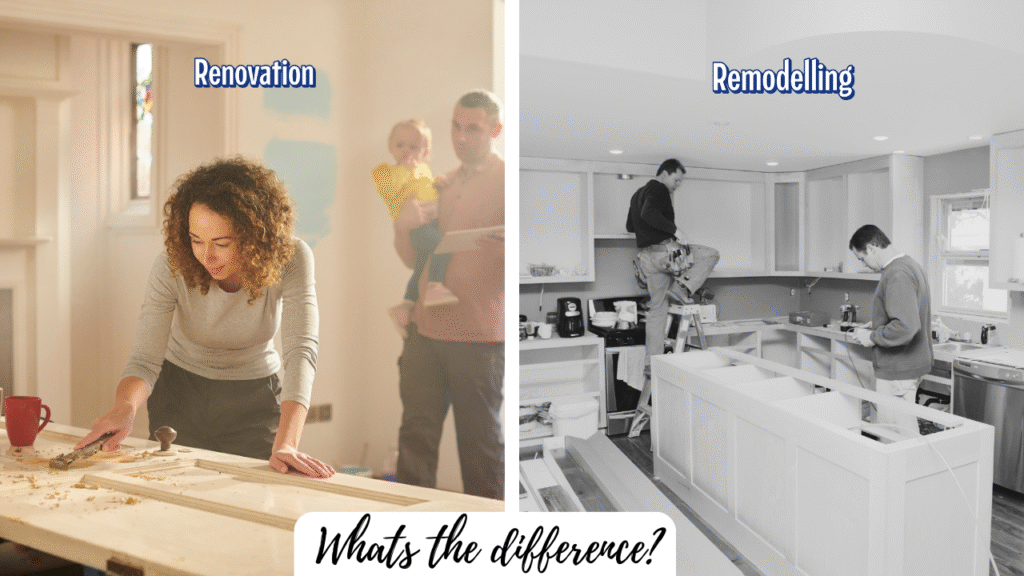
People often use the terms “renovation” and “remodeling” interchangeably, but they’re not quite the same. Understanding the distinction can help you better communicate with contractors and set the right expectations.
Renovation is about restoring or updating what already exists. This includes repairing damage, refreshing finishes, or upgrading features. For example, painting walls, replacing floors, or installing new light fixtures fall under renovation. It’s generally less invasive, cheaper, and faster than remodeling.
Remodeling, on the other hand, involves changing the structure or layout of a space. Think tearing down walls, reconfiguring plumbing, or expanding the footprint of your home. Remodeling is more complex and usually requires permits, architects, and a bigger budget.
To put it simply: renovation keeps the essence of your home intact but gives it a facelift. Remodeling reshapes your space entirely. Deciding between the two depends on your goals. If your kitchen works fine but looks outdated, a renovation might suffice. But if it’s cramped and inefficient, you’re looking at a remodel.
Knowing the difference also affects your timeline, costs, and who you need to hire. Renovations can often be done quicker and with minimal disruption. Remodeling projects tend to take longer, but the results can be transformative.
Planning Your Home Renovation

Setting Clear Renovation Goals
Every successful renovation starts with a goal. And no, “make it look better” doesn’t cut it. What exactly are you trying to achieve? More space? Better lighting? Modern aesthetics? Improved functionality? Increased home value? Be specific.
Start by identifying pain points in your current space. Maybe your kitchen feels cramped when the whole family gathers. Maybe your bathroom is outdated and lacks storage. Jot these things down. The clearer your goals, the easier it will be to make decisions along the way.
Next, prioritize your needs versus wants. You might want marble countertops, but need new plumbing. Create a renovation wishlist and categorize it into “Must-Haves,” “Nice-to-Haves,” and “If Budget Allows.” This helps with both budgeting and project management.
Also consider your long-term plans. Are you renovating to sell or to stay for another 10 years? Renovating for resale means focusing on universal appeal and high-ROI improvements. If you’re staying, tailor the renovation to suit your lifestyle.
Communicate your goals with everyone involved—contractors, designers, even your family. Misaligned expectations are one of the biggest renovation pitfalls. When everyone knows the end goal, decisions become much easier, and the final result is more satisfying.
Budgeting for Success

Let’s talk money—because without a solid budget, even the best renovation plans can fall apart. Home renovation costs can vary wildly based on scope, materials, labor, and location. The key is to plan a realistic budget and stick to it.
Start by determining how much you’re willing (and able) to spend. Then break it down by category: labor, materials, permits, design fees, contingency, etc. A common recommendation is to allocate about 10–20% of your budget for unexpected costs. Trust me, surprises will happen—mold in the walls, outdated wiring, or even shipping delays on materials.
Use tools like renovation calculators or get estimates from local contractors to gauge current market rates. Don’t forget to include taxes and delivery fees. If you’re borrowing money, factor in loan interest or financing charges.
Prioritize high-ROI areas like kitchens and bathrooms, but don’t neglect structural or safety issues. A beautiful home with bad plumbing is a ticking time bomb.
If the numbers start creeping beyond your limit, don’t panic. There are plenty of ways to save without sacrificing quality—opting for mid-range finishes, doing some work yourself, or spacing the renovation in phases.
The bottom line: a well-thought-out budget ensures you finish your renovation without financial regret.
Communicate your goals with everyone involved—contractors, designers, even your family. Misaligned expectations are one of the biggest renovation pitfalls. When everyone knows the end goal, decisions become much easier, and the final result is more satisfying.
Timeline: How Long Will It Take?
One of the biggest misconceptions about home renovations is how long they actually take. Spoiler alert: it’s almost always longer than expected.
The timeline depends on several factors—project size, contractor availability, permit approvals, material shipping, and of course, unexpected delays. For example:
A simple bathroom update might take 2–3 weeks.
A kitchen overhaul can take 6–10 weeks.
Whole-home renovations? Anywhere from 3–9 months.
Start by mapping out a timeline with clear milestones: design phase, demolition, construction, inspections, finishing touches. Be realistic—pad in extra days for weekends, holidays, weather delays, or supply chain issues.
Discuss timelines openly with your contractor and ensure they commit to a realistic schedule. Some homeowners even include a penalty clause in contracts for missed deadlines—something to consider if you’re on a tight move-in schedule.
It’s also smart to think about your living situation. Will you need to move out temporarily? Can you live through the noise, dust, and limited access to key rooms?
Remember, patience pays off. Rushing a renovation often leads to sloppy work, re-dos, and higher costs. Give the project the time it needs to be done right.
Hiring the Right Professionals
Contractor vs. DIY: Making the Right Choice

When it comes to home renovation, one of the first big decisions you’ll face is whether to hire a contractor or tackle the project yourself. Both options have their merits, but the right choice depends on your skills, budget, and the scale of your renovation.
If you’re handy with tools, have experience in basic carpentry or plumbing, and enjoy problem-solving, DIY projects can save you a significant amount of money. Painting, laying laminate flooring, or swapping out fixtures are all manageable for most homeowners. Plus, doing it yourself gives you full control over the pace, style, and budget of the project. There’s also a sense of pride that comes with saying, “I did this myself.”
However, not every job is DIY-friendly. Electrical rewiring, plumbing reroutes, or structural changes require professional expertise—not just for quality but for safety and code compliance. Cutting corners in these areas can lead to major issues down the road, including costly repairs or even dangerous accidents. That’s where a licensed contractor becomes essential.
Contractors bring experience, specialized knowledge, and access to skilled labor. They also handle permits, inspections, and coordination with suppliers, saving you headaches. While you’ll pay more upfront, you’ll likely save in the long run by avoiding costly mistakes and ensuring the job is done right.
In many cases, the best approach is a hybrid: handle smaller DIY tasks yourself while leaving the bigger, riskier projects to the pros. This way, you balance cost savings with peace of mind.
The rule of thumb? If a mistake could compromise your home’s safety, structure, or long-term value—call a professional. If it’s cosmetic or low-risk, DIY might be the perfect way to get involved in your renovation.
Designing Your Dream Space
Working With Interior Designers
An interior designer isn’t just someone who picks pretty colors—they’re your partner in creating a home that balances functionality, style, and comfort. While some people skip hiring a designer to save money, the truth is that a skilled designer can actually help you avoid costly mistakes and maximize your investment.
Designers bring expertise in space planning, color theory, lighting, and furniture arrangement. They can help you choose finishes and materials that not only look beautiful but also hold up to your lifestyle. For example, if you have kids and pets, a designer might steer you away from high-maintenance fabrics and toward durable, stain-resistant options.
Another advantage is access to resources. Many designers have trade connections with furniture companies, suppliers, and contractors. This often means you get better prices, exclusive pieces, or insider knowledge of trends and products that aren’t available to the general public.
Collaboration is key. Share your goals, inspiration photos, and budget upfront. Be honest about what you like and dislike—this helps your designer narrow down options that truly fit your taste.
While hiring a designer is an extra cost, it often pays for itself by creating a cohesive look, improving resale value, and reducing stress during the renovation. Think of it as an investment in not just your home, but also in your peace of mind.
Choosing a Design Style
Before diving into tile samples or paint swatches, it’s important to define your design style. Your home should feel consistent and cohesive, not like a random mix of trends.
Some popular design styles include:
Modern – Clean lines, minimalism, and neutral tones with pops of bold color.
Traditional – Classic details, rich wood tones, and timeless furniture pieces.
Industrial – Exposed brick, metal accents, and an urban loft vibe.
Scandinavian – Bright, airy, and functional with natural materials.
Farmhouse – Cozy, rustic elements with a touch of vintage charm.
Transitional – A balanced blend of modern and traditional.
The best way to find your style is to gather inspiration. Pinterest boards, home magazines, or even walking through showrooms can help. Once you notice a pattern in what you’re drawn to, you’ll have a clearer vision for your space.
But don’t feel boxed in. Your home should reflect you. Mix and match elements if you like. Love the coziness of farmhouse but also want sleek modern lighting? Go for it. The key is consistency in finishes and flow so that each room complements the others.
Looking to modernize your sleeping space? Check out our latest blog on Bedroom Interior Design Ideas by Renew Interiors for inspiration that combines style, comfort, and smart design.
Trends to Consider in 2025
Home design trends change constantly, but the best renovations strike a balance between timeless appeal and modern upgrades. Looking ahead to 2025, here are some standout trends:
Sustainable Materials – Reclaimed wood, recycled countertops, and eco-friendly paints are becoming standard.
Smart Homes – From voice-controlled lighting to AI-powered thermostats, smart tech is making homes more convenient and energy-efficient.
Biophilic Design – Bringing nature indoors with greenery, natural stone, and large windows that maximize sunlight.
Multi-Functional Spaces – With remote work still popular, rooms are designed to serve more than one purpose, like guest rooms doubling as offices.
Warm Neutrals and Earth Tones – Soft, natural colors are replacing stark whites and grays, creating cozy, inviting spaces.
Outdoor Living Upgrades – Patios, decks, and outdoor kitchens are more popular than ever, extending living spaces beyond the walls.
While trends are exciting, don’t get swept up in them blindly. Choose updates that match your lifestyle and will stand the test of time. A renovation should feel fresh, but not something you’ll regret in a few years.
Common Mistakes to Avoid
Over-Renovating for the Neighborhood
One of the biggest mistakes homeowners make is over-renovating. It’s tempting to create your dream home with all the bells and whistles, but if your neighborhood doesn’t support those upgrades, you may never see a return on investment.
For example, adding a luxury 500,000 kitchen in a modest neighborhood where homes typically sell for 2000,000 doesn’t make financial sense. You might enjoy it while you live there, but when it’s time to sell, buyers won’t be willing to pay extra for features that exceed the neighborhood standard.
To avoid this mistake, research your area’s property values and renovation trends. Talk to a real estate agent about which upgrades add the most value in your market. Focus on renovations that bring your home up to par with others in your neighborhood—not far beyond it.
Renovate for your lifestyle, yes, but keep an eye on the bigger picture. A balance between personal enjoyment and resale value is the smartest approach.
Skipping the Planning Phase
Planning may not be as exciting as picking out countertops or paint colors, but skipping this step is one of the fastest ways to create chaos during a renovation. Without a solid plan, you’re left with delays, budget overruns, and design inconsistencies.
A good renovation plan covers:
Scope of Work – What exactly needs to be done, room by room.
Budget – Detailed estimates, contingency funds, and financing strategies.
Timeline – Realistic milestones and deadlines.
Design Vision – Mood boards, sketches, or renderings to guide decisions.
Contractor Agreements – Clear contracts outlining costs, responsibilities, and payment schedules.
Skipping planning often leads to “scope creep,” where small changes snowball into big expenses. For instance, deciding mid-project to move plumbing or knock down an extra wall can double your budget and timeline.
Planning also reduces stress. When you’ve mapped everything out, you’re less likely to feel overwhelmed by decision fatigue. Plus, contractors work more efficiently when they have a clear roadmap.
Remember: measure twice, cut once. Investing time upfront in planning saves you money, headaches, and regret later.
If you’re revamping your space, explore our latest blog on Modern Interior Design Ideas by Renew Interiors—where sleek style, smart design, and comfort come together to inspire your dream home.
What Renew Interior Do for You
Renewing your interior means more than just updating paint or furniture—it’s about transforming your home into a space that’s functional, stylish, and uniquely yours. A professional interior renewal service helps you design with purpose, optimize space, choose the right materials, and manage the project smoothly.
The result? A home that feels refreshed, reflects your personality, and even boosts resale value—all without the stress of handling it alone.
Ready to Begin? Here’s How to Reach Out
To book a consultation or simply ask questions, head to their Contact Us page. It’s all there:
Phone: +91 73534 00033
Email: info@renewinteriors.in
Or fill out a quick form directly through their website.
This friendly, approachable contact setup makes starting your design journey feel easy and personalized.
Conclusion
Home renovation is a journey that combines vision, planning, and execution. From setting goals and budgets to hiring professionals and choosing designs, every step plays a role in transforming your house into a home that suits your lifestyle. While challenges and surprises are inevitable, a well-prepared homeowner can navigate them with confidence.
Whether you’re renovating for personal comfort, sustainability, or resale value, the key is balance. Respect your home’s character, invest wisely, and plan thoroughly. At the end of the process, you’ll not only have a more beautiful home but also a more functional, valuable, and enjoyable space.
FAQs
1. How do I start planning a home renovation?
Begin by setting your goals—decide whether you want to improve functionality, aesthetics, or both. Then fix a realistic budget and timeline.
2. What’s the most important room to renovate first?
Usually, kitchens and bathrooms, since they add the most value and make daily life more convenient.
3. Can I renovate an old house without changing its character?
Yes. Focus on restoring original features while upgrading essentials like wiring, plumbing, and storage.
4. How do I keep costs under control during renovation?
Stick to your plan, avoid mid-project changes, and keep a 15–20% buffer for unexpected expenses.