
Designing your kitchen is no longer just about cabinets and countertops—it’s about creating a lifestyle space that blends aesthetics, functionality, and innovation. The kitchen is the heart of the home, and in 2025, that heart beats with smart solutions, stunning textures, and personalized charm. Whether you’re building from scratch or updating an existing layout, this comprehensive guide will walk you through everything you need to create a kitchen interior that’s not only beautiful but also brilliantly functional.
Why Kitchen Design Matters More Than Ever
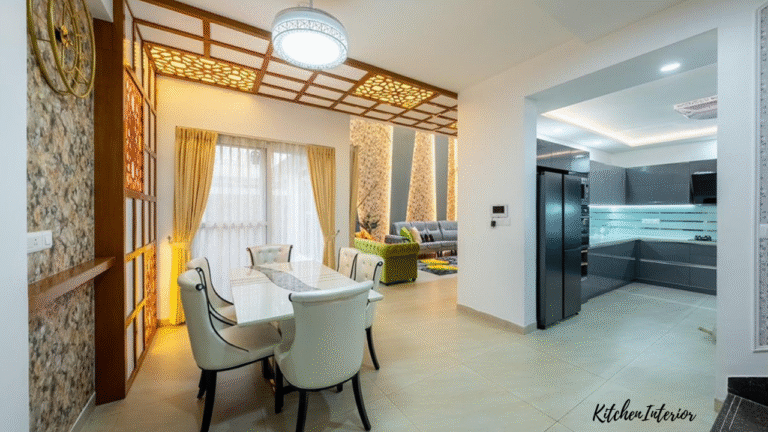
Your kitchen isn’t just for cooking—it’s where memories are made, guests gather, and families bond. As homes become more open and integrated, the kitchen now plays a central role in your home’s overall design language. An outdated or poorly designed kitchen can drag down the entire ambiance of your home. On the other hand, a thoughtfully designed kitchen can boost not only your home’s value but your quality of life.
Modern homeowners crave kitchens that reflect their personalities and cater to their lifestyle needs. Whether it’s minimalist, rustic, industrial, or luxurious, the kitchen sets the tone. With open-concept living becoming the norm, kitchen interiors must harmonize with surrounding spaces. This means thinking beyond utility and integrating design elements that make your kitchen the visual and functional centerpiece of your home.
Moreover, a well-planned kitchen helps streamline daily routines—saving time and effort. It encourages healthier eating, easier cleaning, and more family interactions. Plus, thanks to technological advances and design innovations, it’s easier than ever to create a kitchen that’s as smart as it is stylish.
Evolving Trends in Kitchen Aesthetics
Gone are the days of cookie-cutter kitchens. In 2025, customization is king. Think warm woods paired with sleek black fixtures, or terrazzo countertops matched with vibrant tile backsplashes. People are leaning into bold choices—rich colors, mixed materials, and eclectic details that reflect individual style.
Minimalism still has its place, but it’s becoming more humanized. That means fewer sterile white spaces and more warmth, texture, and color contrast. Natural materials are gaining ground—stone, wood, bamboo—and sustainability is a big factor influencing design decisions.
Additionally, open shelving, glass partitions, and multi-functional islands are redefining space usage. The modern kitchen embraces flexibility: a cooking space by day, a cozy bar by night. This design fluidity is what makes current kitchen interiors both practical and inspiring.
Planning Your Dream Kitchen
Setting Clear Interior Design Goals
Before you start picking tiles and choosing paint colors, you need a clear plan. Ask yourself: What do I need from this kitchen? Do you cook often? Do you entertain guests regularly? Is storage your top priority? Defining your goals will shape every decision from layout to lighting.
Break your design goals into categories:
Functionality: How will the kitchen be used daily?
Style: What design themes resonate with your personality?
Space: How much room do you have to work with?
Budget: What’s your financial limit and where can you splurge?
It also helps to create a “kitchen mood board.” Collect photos, textures, and design elements that inspire you. This visual reference will keep your project cohesive. Also, consider how your kitchen connects to adjacent rooms. Does it need to blend with a dining area or contrast with the living space?
Lastly, factor in longevity. Trends come and go, but good design is timeless. Choose elements that you’ll love today—and ten years from now.
Budgeting for a Kitchen Renovation
Kitchen renovations can often become one of the most expensive home improvement projects, but with smart planning and thoughtful decisions, you can stretch your budget while still achieving a beautiful and functional space. Start by clearly defining your must-haves—these are the non-negotiables like layout improvements, reliable appliances, ample storage, and quality cabinetry. These form the foundation of a long-lasting kitchen and should be prioritized in your budget.
Once the essentials are covered, identify your nice-to-haves—such as designer lighting, a high-end backsplash, or smart home integrations. These elements can be phased in over time if the budget doesn’t allow for everything at once.
Remember to allocate funds for unexpected costs, such as plumbing or electrical issues that may arise during the renovation. Getting multiple quotes, shopping around for materials, and even considering refurbished or outlet appliances can also help reduce costs without sacrificing quality or style. Thoughtful budgeting and prioritization go a long way in ensuring a kitchen that’s both affordable and impressive.

Choosing the Perfect Layout
Open vs. Closed Kitchen Layouts

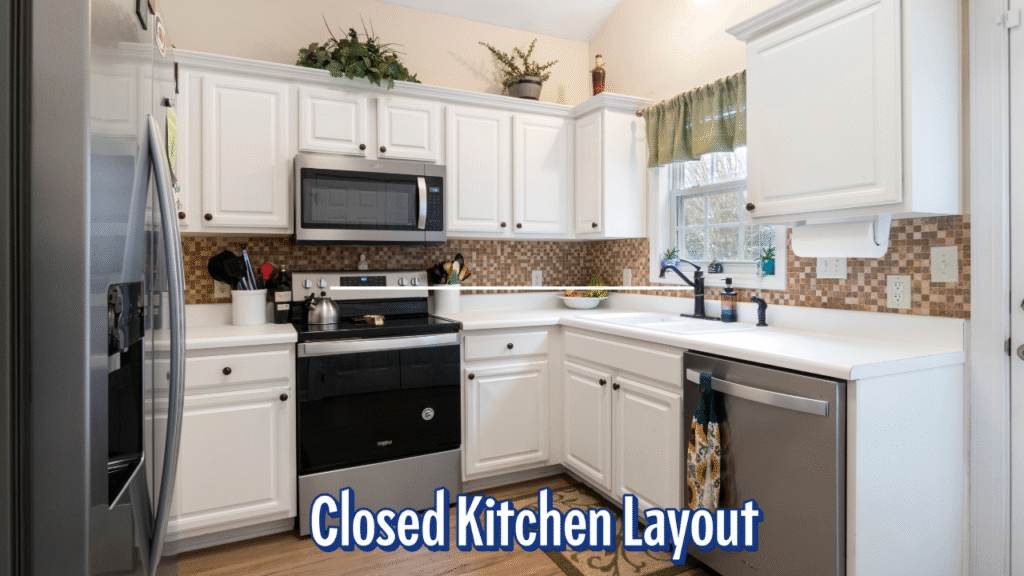
This decision can dramatically impact the feel of your home. Open kitchens are great for social households—they blend seamlessly with living and dining spaces, ideal for entertaining and family interaction. They promote light, space, and visual flow.
However, not everyone loves the idea of cooking smells or messy countertops being on display. That’s where closed kitchens still have merit. They offer privacy, better noise control, and clearly defined zones for cooking and dining.
Hybrid solutions are trending too. Think glass partitions or sliding panels that allow flexibility—open when you want to entertain, closed when you need focus or containment.
The Work Triangle Concept
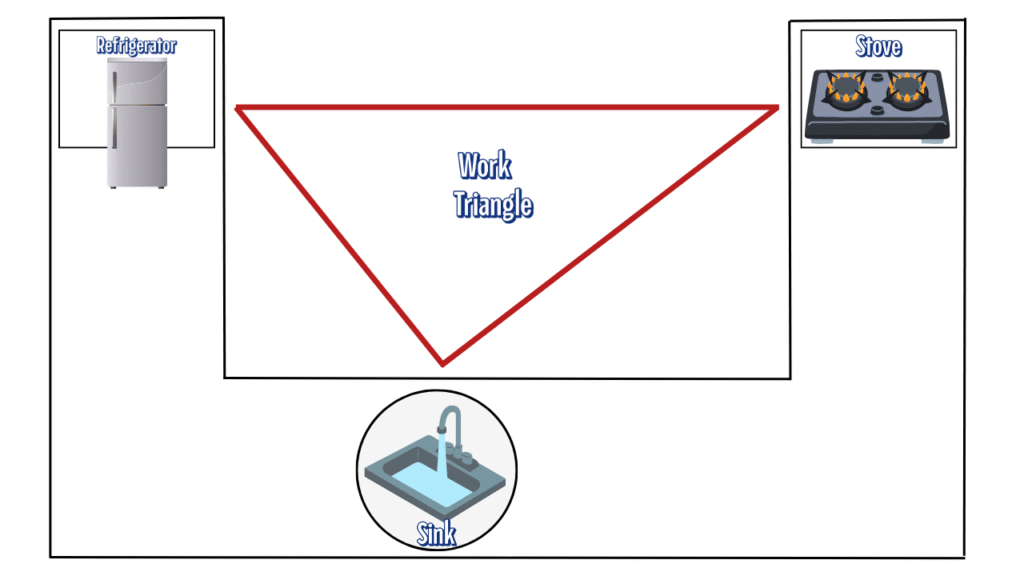
The classic “work triangle” is a kitchen design principle that places your sink, stove, and refrigerator at triangle points to minimize movement and improve efficiency. This still holds value today but has evolved.
Now, we consider zones more than triangles—cooking zones, prep zones, storage zones, and cleaning zones. This zoning helps in multi-cook households and improves traffic flow.
For example:
Prep Zone: Near the fridge and pantry with large counter space.
Cooking Zone: Stove, oven, and spice drawers grouped together.
Cleaning Zone: Sink, dishwasher, and trash bin aligned.
Efficient Flow and Functionality Tips
A beautiful kitchen is worthless if it’s not functional. Here are a few tips:
Avoid placing the fridge next to the oven—heat affects energy efficiency.
Ensure at least 42 inches of clearance for aisles in open kitchens.
Incorporate plenty of drawers—they’re easier to access than deep shelves.
Add power outlets where you prep and cook, not just where they’re convenient for builders.
Use pull-out trays, lazy Susans, and vertical dividers to maximize space.
Choosing the Right Color Scheme
The Psychology of Kitchen Colors
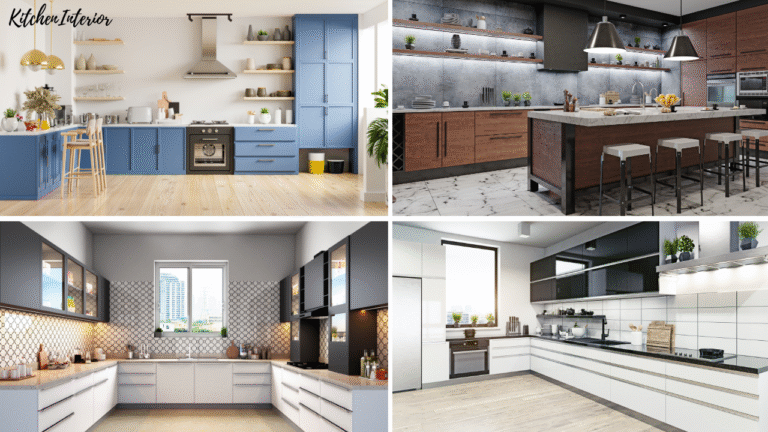
Color plays a surprisingly powerful role in shaping our emotions, energy levels, and even appetite. Warm colors like red, orange, and yellow are known to stimulate hunger and create a lively atmosphere, making them popular in kitchens. Cooler tones like blue and green bring a sense of calm and freshness, perfect for creating a relaxed cooking environment.
When selecting colors for your kitchen, think about how you want the space to feel. A bold red backsplash might energize you during morning coffee, while soft sage cabinets could bring a peaceful, nature-inspired vibe.
Neutral colors like white, beige, and gray remain timeless choices for kitchens because they provide a clean backdrop for any style. They also make it easier to update the space with accessories and accents over time without a major redesign.
Timeless Color Combinations
While trends come and go, some color pairings have stood the test of time. Here are a few examples:
White and Wood: Combines crisp brightness with natural warmth.
Navy and Gold: Adds sophistication and elegance.
Gray and Marble: Creates a sleek, modern aesthetic.
Black and White: A bold, high-contrast classic.
Pairing colors strategically can also help define different zones in your kitchen. For example, a dark island base paired with lighter surrounding cabinets can create visual separation while maintaining cohesion.
How Lighting Influences Color
Lighting can completely change the way a color looks in your kitchen. Natural light tends to make colors appear more vibrant, while artificial lighting can cast warm or cool tones that shift the color perception.
For example, under warm incandescent lighting, a cool gray might appear slightly beige, whereas under daylight LEDs, it will retain its cooler tone. That’s why testing paint samples in different lighting conditions before committing is crucial.
Layered lighting—including ambient, task, and accent lighting—ensures both beauty and functionality. Pendant lights over an island, under-cabinet LEDs for food prep, and dimmable ceiling fixtures all work together to create a flexible and inviting kitchen atmosphere.
Essential Kitchen Materials and Finishes
Countertops – From Quartz to Granite
Countertops are one of the most important surfaces in your kitchen, both visually and functionally. The choice of material affects durability, maintenance, and style.
-
Quartz: Engineered stone that’s durable, non-porous, and available in endless colors.
-
Granite: Natural stone with unique patterns, heat resistance, and lasting beauty.
-
Marble: Luxurious and timeless, but prone to staining if not sealed regularly.
-
Butcher Block: Warm and natural, ideal for rustic or farmhouse styles.
Choosing the right countertop involves balancing practicality with aesthetics. If you cook often and need a low-maintenance surface, quartz may be ideal. If you prioritize natural beauty and don’t mind some upkeep, granite or marble could be perfect.
Cabinets take up a large portion of visual space in a kitchen, making their material and finish choices critical.
-
Solid Wood: Durable and classic, available in many finishes.
-
MDF with Veneer: Cost-effective with a smooth, consistent surface.
-
Laminates: Affordable and easy to clean, available in modern patterns.
Finishes range from high-gloss lacquer for a sleek modern look to distressed wood for a rustic vibe. Soft-close hinges, pull-out shelves, and hidden storage solutions can also improve functionality.
Flooring Options for a Stylish and Durable Kitchen
Kitchen floors must withstand heavy foot traffic, spills, and temperature changes. Popular options include:
-
Porcelain Tile: Water-resistant, durable, and available in countless designs.
-
Hardwood: Warm and inviting, though it requires more maintenance.
-
Luxury Vinyl: Affordable, comfortable underfoot, and water-resistant.
The right flooring ties your kitchen together visually while standing up to daily wear and tear. Texture also matters—slightly textured surfaces help prevent slips, which is especially important in a busy cooking space.
What Renew Interiors Does for You
At Renew Interiors, we believe your home should be a reflection of who you are—your personality, your lifestyle, and your dreams. As Bengaluru’s leading interior design company, we go beyond just creating “pretty rooms.” We design spaces that feel like you.
From the first consultation to the final reveal, we work closely with you to understand your needs, preferences, and budget. Whether you’re looking to revamp a single room, redesign your entire home, or give your workspace a fresh new look, our team brings together creativity, functionality, and fine craftsmanship to deliver results you’ll love for years.
Our services include:
Complete Home Interior Solutions – Modular kitchens, wardrobes, TV units, false ceilings, and more, all tailored to fit your space perfectly.
Custom Furniture Design – Bespoke pieces that balance style, comfort, and durability.
Commercial Interior Design – Offices, retail spaces, and showrooms that impress clients and inspire employees.
Renovations & Makeovers – Transforming outdated spaces into modern, vibrant, and functional areas.
Project Management – We handle everything—from material selection to skilled labor—so you can sit back and watch your dream space come to life.
What truly sets us apart is our commitment to quality, transparency, and timely delivery. We source premium materials, partner with trusted vendors, and pay attention to every detail—because the difference between a good interior and a great one is in the details.
When you choose Renew Interiors, you’re not just hiring a design team—you’re choosing a partner who will treat your home or business space with the same care and passion as if it were our own.
Conclusion
Kitchen interior design is more than choosing cabinets and countertops—it’s about creating a space that works for your lifestyle, reflects your personality, and inspires you daily. Whether you’re drawn to the elegance of a marble island, the practicality of a galley layout, or the openness of a modern kitchen-dining combo, the key lies in blending functionality with aesthetics.
A well-planned kitchen improves efficiency, increases home value, and enhances your overall living experience. It’s where morning routines begin, family conversations unfold, and celebrations come to life. By carefully selecting layouts, materials, colors, and lighting, you can turn your kitchen into a harmonious space that’s as enjoyable to look at as it is to work in.
Remember—great design is personal. The most beautiful kitchen is the one that makes you feel at home, supports your cooking style, and sparks joy every time you walk in. So whether you’re starting from scratch or giving your current kitchen a makeover, approach the process thoughtfully, and your efforts will pay off for years to come.
Contact Us
Frequently Asked Questions (FAQs)
1. How much should I budget for a kitchen interior in Bengaluru?
The cost depends on the size of your kitchen, choice of materials, and level of customization. On average, a functional modular kitchen starts at around ₹2.5–₹4 lakh, while premium designs with high-end finishes can range from ₹6–₹12 lakh or more.
2. How long does it take to complete a kitchen interior project?
For a standard modular kitchen, the timeline is usually 3–4 weeks from design approval to installation. If you opt for a fully customized kitchen with unique finishes or imported materials, it may take 6–8 weeks.
3. Can I design a stylish kitchen on a small budget?
Yes! By choosing cost-effective materials like laminates, compact quartz, and standard modular units, you can still achieve a stylish, functional kitchen without overspending. Smart storage solutions can also help maximize your budget.
4. Will Renew Interiors handle everything from design to installation?
Yes! At Renew Interiors, we provide end-to-end kitchen solutions—including design consultation, 3D planning, material selection, manufacturing, and final installation—so you can enjoy a hassle-free experience.
5. Can you work within my existing kitchen space, or do I need a complete remodel?
We can do both. If your current layout works well, we can upgrade finishes, storage, and appliances without major structural changes. If you want a new layout, we can redesign it from scratch.
6. What kind of maintenance will my kitchen need after installation?
Most modern kitchens are low-maintenance. Laminates, quartz, and acrylic finishes only require simple cleaning with mild soap and water. We’ll also give you a care guide after installation.