
Psychology of Luxury Home Décor Luxury homes aren’t just about square footage or expensive finishes—they are a reflection of lifestyle, personality, and psychological comfort. In Bengaluru’s booming real estate market, buyers of high-end properties have evolved expectations: they don’t just want a house; they want a home that resonates with their identity, status, and emotional needs.
At Renew Interior, we specialize in helping homeowners and real estate developers understand the psychology behind luxury home décor. By combining aesthetics with behavioral insights, we create spaces that buyers truly connect with.
This article explores what motivates luxury buyers, how décor influences perception and emotion, and actionable strategies to design interiors that appeal to modern high-end buyers.
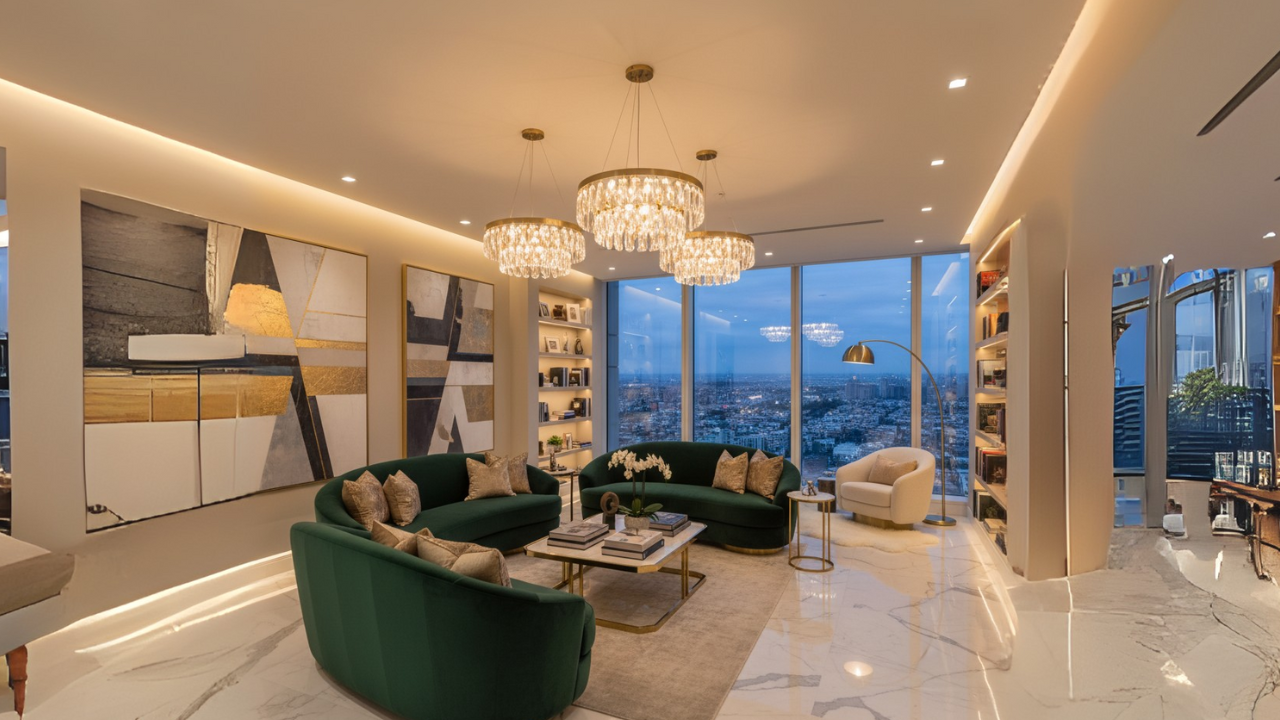
1. Luxury is About Experience, Not Just Price
Luxury buyers today aren’t impressed by high price tags alone—they seek experiences and emotions.
Why it matters: A home should feel curated, comfortable, and inspiring. Buyers want to feel a sense of exclusivity, serenity, and pride.
Key factors influencing perception:
Layout and flow of spaces.
Lighting that enhances mood and ambiance.
High-quality materials and finishes that engage the senses.
Tip: Invest in textures, lighting layers, and ambient elements like soft music systems or scent diffusers to create a multi-sensory experience.
2. Emotional Connection Through Personalization
Psychologically, people are drawn to spaces that reflect their personality and lifestyle.
Common mistakes in luxury home décor:
Overly generic designs that lack warmth.
Excessive display of expensive items without functional harmony.
What buyers want:
Spaces tailored to hobbies and interests (reading nooks, wine cellars, art corners).
Custom furniture and built-ins that suit daily routines.
A balance of aesthetics and comfort.
Tip: Encourage personalization—allow buyers to visualize how a space can be uniquely theirs.
3. The Role of Lighting in Luxury home decor
Lighting is one of the most powerful psychological tools in luxury décor.
Natural light: Large windows, skylights, and open layouts enhance openness and positivity.
Artificial lighting: Layered lighting (ambient, task, and accent) creates mood, highlights artwork, and defines functional areas.
Warm vs. cool lighting: Warm tones create coziness, while cooler tones feel sleek and modern.
Tip: Smart lighting systems that adapt to mood and time of day are highly appealing to luxury buyers.
4. The Importance of Space & Flow
Luxury buyers prioritize open, uncluttered spaces that feel expansive without being empty.
Psychological impact: Spacious rooms reduce stress and convey a sense of freedom and comfort.
Layout strategies:
Open-plan living, dining, and kitchen areas.
Clear circulation paths with minimal obstacles.
Defined zones for privacy and entertainment.
Tip: Avoid overcrowding with furniture or décor items. Use statement pieces strategically rather than filling every corner.
5. Material Selection and Texture
High-end buyers often assess tactile quality and sensory appeal more than visual aesthetics alone.
Preferred materials: Marble, hardwood, natural stone, and high-quality metals.
Texture strategy: Mixing soft textures (velvet, silk) with harder surfaces (stone, metal) adds depth and sophistication.
Psychology of touch: Comforting materials contribute to emotional satisfaction and a sense of luxury.
Tip: Incorporate a mix of textures to engage multiple senses, making the space feel rich, inviting, and memorable.
6. Color Psychology in Luxury Home decors
Colors influence emotions and perceived value in interior spaces.
Neutral palettes: Creams, whites, taupes, and grays convey elegance and timelessness.
Accent colors: Deep blues, emerald greens, or gold accents create focal points and sophistication.
Mood influence:
Soft pastels evoke calm and relaxation.
Bold tones signal confidence and vibrancy.
Tip: Balance neutral bases with strategic pops of color to create a refined yet inviting environment.
7. Art, Décor, and Statement Pieces
Luxury buyers often value unique and curated art that tells a story or conveys status.
Psychological impact: Art evokes emotions, sparks conversation, and creates identity.
Statement pieces: Chandeliers, designer furniture, or sculptural décor elevate the perceived value of the space.
Balance: Avoid over-decoration; too many items can feel cluttered and chaotic.
Tip: Integrate meaningful pieces that align with the homeowner’s lifestyle and taste.
8. Technology Integration & Smart Homes
Modern luxury homes increasingly appeal to buyers through smart home technology.
Psychology: Tech integration signals convenience, innovation, and control.
Popular features:
Automated lighting and climate control.
Security and surveillance systems.
Voice-activated appliances and entertainment.
Design integration: Ensure tech elements blend seamlessly without disrupting aesthetics.
Tip: Smart technology enhances lifestyle satisfaction, a key psychological driver for high-end buyers.
9. Sustainability and Wellness
Sustainability has become a psychological selling point for luxury buyers.
Why it matters: Eco-friendly materials and energy-efficient designs signal responsibility, modernity, and care for well-being.
Wellness features: Natural ventilation, indoor plants, and wellness zones (yoga/meditation spaces) attract conscious buyers.
Tip: Highlight sustainable materials and wellness-centric spaces as luxury differentiators.
FAQs
1. What makes a luxury home décor psychologically appealing?
A luxury home should combine aesthetics, comfort, personalization, and a sense of exclusivity, creating emotional satisfaction for the buyer.
2. Are buyers more influenced by visuals or experiences?
While visuals attract attention, experiential elements like lighting, texture, space flow, and sensory cues have a stronger psychological impact.
3. How important is personalization in luxury homes?
Highly important. Buyers want spaces reflecting their lifestyle, hobbies, and values, making the home feel uniquely theirs.
4. Do smart homes increase the perceived value of luxury home decor?
Yes. Smart technology adds convenience, control, and a modern feel, which buyers often associate with high-end living.
5. Can small luxury homes feel psychologically spacious?
Absolutely. Strategic layouts, open spaces, mirrors, natural light, and minimalist décor can make smaller apartments feel expansive and luxurious.
The psychology of luxury home décor goes beyond aesthetics—it’s about creating emotional resonance, comfort, and identity. Buyers today in Bengaluru and beyond seek homes that provide visual pleasure, tactile satisfaction, and lifestyle alignment.
At Renew Interior, we specialize in designing spaces that satisfy these psychological needs, combining timeless luxury, modern innovation, and emotional appeal. By understanding what buyers truly want, you can create interiors that not only look luxurious but feel like home.
A well-designed luxury space does more than impress—it connects, comforts, and inspires every person who steps inside.